Resources · January 12, 2025 · 6 min read
What Is a Backflow Preventer and Why Do You Need One?
A plain-English guide to backflow preventers, why Texas cities require them, and what happens if yours fails.
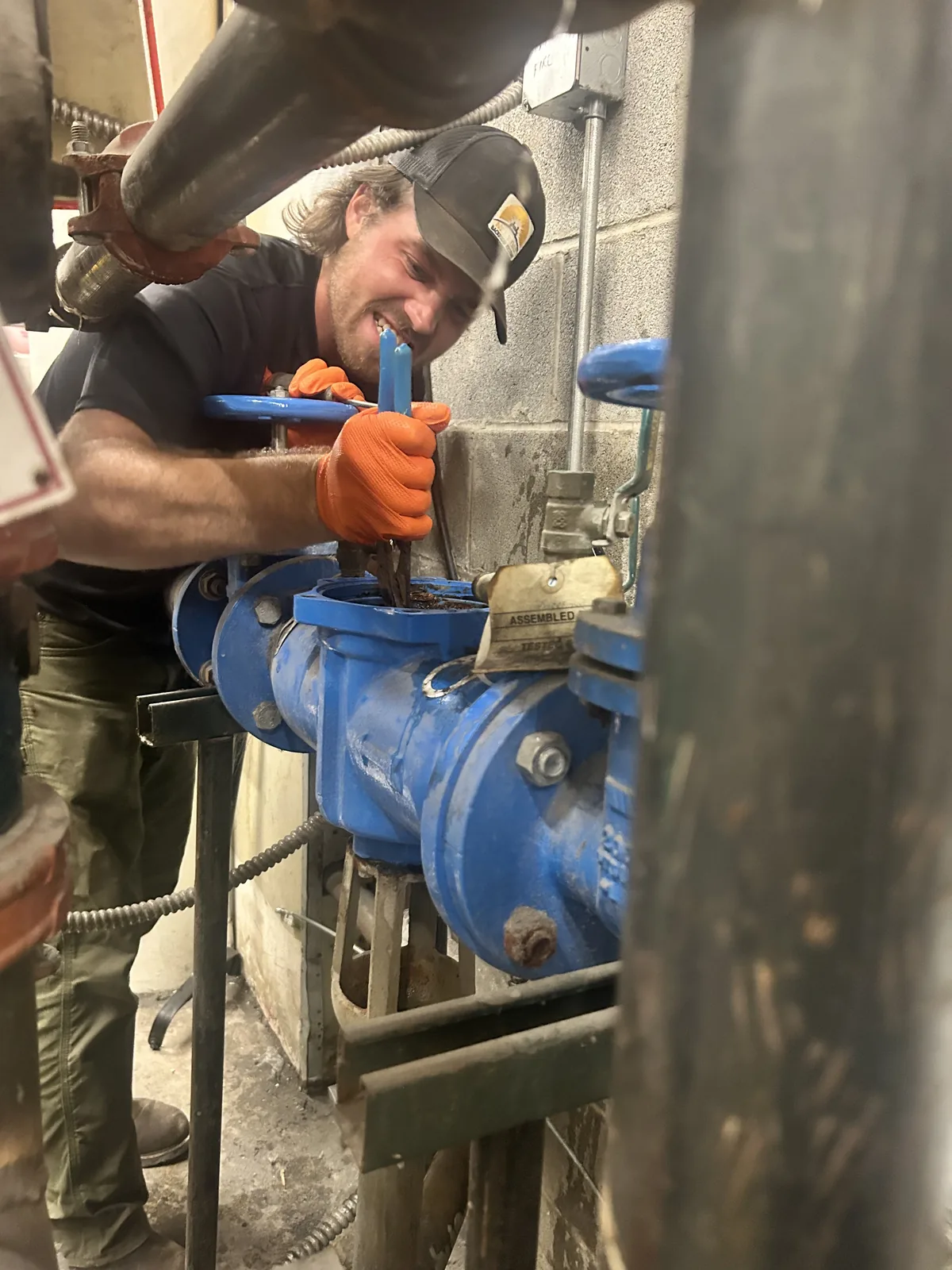
A backflow preventer is a small mechanical assembly that keeps contaminated water from flowing backward into your clean drinking supply. All Texas properties with irrigation systems are required to have a backflow device installed, and many municipalities require annual testing. Commercial and fire sprinkler (fireline) assemblies are commonly required to be tested annually by a state-licensed tester.
How backflow happens
Backflow can happen in two ways: backpressure and backsiphonage. Backpressure occurs when water pressure from a private service becomes higher than the pressure in the city's water system. A pump, elevated tank, boiler, or another condition can cause this pressure difference.
Backsiphonage occurs when water pressure drops below the pressure of the water supply system, creating negative pressure. This can happen when a nearby fire hydrant opens or a water main breaks. Without a working preventer, irrigation water that may contain fertilizer, pet waste, pesticides, or other contaminants can reverse direction and enter the city water supply.
Why annual testing is required
Many Texas cities enforce annual testing under TCEQ rules, although residential irrigation testing requirements vary by municipality. The test takes about 20–30 minutes and confirms that the assembly's check valves and relief valve are working correctly.
What if it fails?
A failing assembly can usually be repaired on-site. Our techs carry common parts and can re-test and file your passing report the same day. If the assembly needs replacement, we'll handle that too.
Bottom line
Backflow testing protects your family and your neighbors. When testing is required, it is a quick visit that helps keep you compliant and your water clean.